

Should You Pay Off Debt or Invest First?
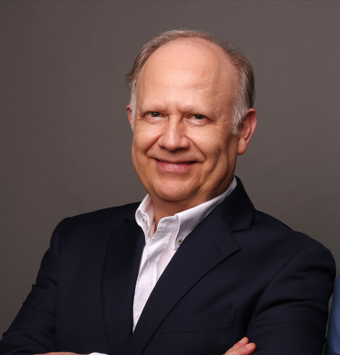
By Rodrigo Rincón
Mar 17, 2026Whether to pay off debt or invest first depends on three things: what your debt is costing you compared to what your investments could earn, how much financial cushion you have right now, and whether your debt is helping or hurting your wealth. Get this right and you can shift the odds significantly in your favor. Get it wrong and one bad month can undo years of effort.
Most people treat this as a math problem, comparing the interest rate paid on their debt to the expected return on a given investment. If one is higher than the other, people feel they have arrived at an answer.
That logic is not wrong — but it misses the most important part of the decision.
One of the patterns Rodrigo Rincón describes in Wealth and Family is this: debt is an accelerator. When things go well, it helps you build wealth faster. When things go wrong, it makes everything worse — much worse than if you had never borrowed at all.
That asymmetry is what makes this decision more important than most people treat it.
The Three Things That Actually Matter
1. What Is Your Debt Really Costing You?
Start with the basics. What interest rate are you paying?
If your debt costs you 8% a year and your investments are expected to earn around 7%, paying off the debt first would make sense. You cannot reliably earn more than what the debt is taking from you.
If your debt is a mortgage at a low rate and your investments could realistically earn 7–8% on average over time, the math starts to favor investing. You are effectively borrowing at a low cost and putting that money to work at a higher rate.
One thing worth keeping in mind: investment returns are estimates. Your debt payments are fixed and certain. When you are not sure, paying down debt is the more prudent path.
2. How Much Cushion Do You Have?
This is the question most people skip — and it is the one that matters most.
Before deciding anything else, ask yourself honestly: if your income stopped tomorrow, how long could you cover your bills?
In Wealth and Family, Rodrigo is direct about this: before thinking about growing your money, make sure you understand your commitments and what your life actually costs. If you invest without enough of a cushion and something goes wrong — a job loss, a health issue, an unexpected expense — you will be forced to sell your investments at the worst possible moment.
The practical starting point: keep at least 3 to 6 months of your regular expenses in a savings account or something equally easy to access. If you do not have that yet, building it comes first — before paying down debt aggressively or investing.
We all want to earn a good return on our investments, but keep in mind that making debt payments requires having the liquidity available to do so.
Once that cushion is in place, the decision becomes much clearer.
3. What Kind of Debt Is It?
Not all debt is the same — and this distinction changes the answer completely.
Some debt is productive. You borrow to acquire something that generates value — a business, a rental property, education that increases your income over time. When what you financed earns more than the debt costs you, the borrowing made sense.
For most people, taking on a mortgage they can comfortably afford to buy a home is another example of productive debt, because over time they build equity, often benefit from capital appreciation, and gain the peace of mind that comes with owning a place to live.
Some debt is corrosive. Credit cards, personal loans for things you have already consumed, or financing for a car above your budget that loses value every year. There is nothing working on your behalf to offset the interest. This is the debt that quietly drains your wealth month after month.
If your debt is corrosive — especially at high interest rates — pay it off before you invest. There is no investment that reliably and sustainably outperforms the interest charged by credit cards.
If your debt is productive and carries a low rate, the calculation changes. But only after your cushion is solid.
Three Questions to Ask Before You Decide
Before making any move, get honest answers to these three questions:
- Do I have at least 3 to 6 months of expenses set aside in accessible savings? If not, this comes first. Everything else is secondary until that cushion exists.
- What is my debt actually costing me — and is it productive or corrosive? Has the return on what you financed with this debt been consistently higher than the interest rate you are paying? If so, investing in parallel often makes sense. If not, and especially if the difference is substantial, most people benefit from paying down aggressively high-cost corrosive debt.
- What return am I realistically expecting from my investments — not hoping for? Since debt payments are typically fixed amounts, both the expected return and the reliability of that return matter equally. A better question: do I understand — and how familiar am I with — the risks I am taking? Be honest with yourself. All investments carry risks. Get familiar with those risks, as well as with your own characteristics as an investor. If you do not have much experience or knowledge about investing, the most prudent path may be to reduce — or even eliminate — your level of debt first.
The Scenario That Catches Most People Off Guard
Here is the situation Rodrigo has seen repeat itself many times: someone has a low-interest loan and decides to invest instead of paying it down. The logic makes sense on paper. Then something unexpected happens — a job loss, a medical bill, a market drop — and they are forced to sell their investments at a loss just to keep up with the debt payments.
As Rodrigo writes in Wealth and Family: when things do not go as planned, debt has the capacity to erase part of your wealth. Your ability to pay — not just today, but if things get harder — should feel comfortable before you decide to invest instead of paying down debt.
This is not an argument against debt. It is an argument for making this decision from a position of genuine financial strength, not wishful thinking.
Frequently Asked Questions
Should I pay off my mortgage before investing?
A good starting point is to consider whether mortgage costs in your country are currently historically high or low. If your mortgage is at a historically low rate, it generally makes sense to keep it rather than pay it down aggressively. That said, you still need an adequate savings cushion before directing money to either the mortgage or investments. Some people also value the peace of mind that comes with being debt-free — and that is a completely valid reason to pay it down faster, even if the math does not strictly require it.
What if I have credit card debt and also want to start investing?
Focus on the credit card first. The interest rate on credit card debt is almost impossible to consistently beat with any investment. Pay it off, rebuild your savings cushion, then start investing.
Is all debt bad?
No. As Rodrigo explains in Wealth and Family, debt can work in your favor when it funds something that generates a return — a business, rental income, education that increases your earning capacity. The key question is simple: is what I financed earning more than the debt is costing me? If yes, borrowing was a rational decision. If no, it is draining your wealth. There are also important life goals that debt can help us achieve, such as owning a home, which usually maintains — and could even increase — its value over time.
How much savings should I have before I start investing?
A good starting point is at least 3 to 6 months of your regular expenses, kept somewhere accessible like a savings account. If your income varies or you have people depending on you financially, lean toward 6 to 9 months. This is not money you invest — it is money you keep available for when life does not go according to plan.
How does Ona help with this kind of decision?
Ona helps you think through your specific situation using the same approaches applied in successful family offices — without products to sell and with no incentive to push you in any particular direction. Try Ona free for 3 days at onawealthmentor.com.
Rodrigo Rincón is founder of FOA Family Office Advisors, author of Wealth and Family*, and co-creator of Ona Wealth Mentor. With 25+ years advising families and professionals on wealth strategy, he built Ona to make conflict-free financial thinking accessible to everyone. Connect with Rodrigo on LinkedIn.*