

How to Start Investing: The Questions You Need to Answer First
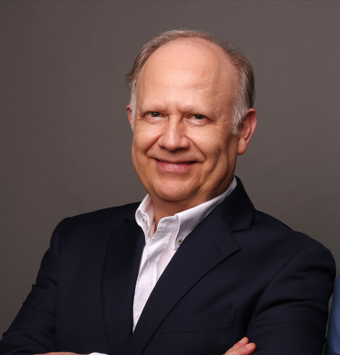

By Rodrigo Rincón
Mar 17, 2026Starting to invest is not primarily about choosing the right product or timing the market. It is about answering a set of questions honestly — about your risk tolerance, your liquidity needs, your investment philosophy, and what you are actually trying to achieve. Get those answers right, and the rest becomes much clearer.
Most people approach investing the wrong way around. They start by asking: where should I put my money? Which fund, which stock, which platform?
Those are not the first questions. They are the last ones.
For more than 25 years, Rodrigo Rincón has observed firsthand what distinguishes families that build lasting wealth from those that eventually lose it. In Wealth and Family, he is clear about this: it is rarely about the particular investments they selected.
It comes down to whether they understood their own personal situation, the purpose they want (or need) their money to serve, whether they crafted a plan aligned with that purpose and their willingness to take risks, and whether they had the wisdom and courage to follow it — and to recognize when it needed to change.
First, An Honest Distinction: Saving vs. Investing
Before anything else, Rodrigo draws a distinction in Wealth and Family that most people blur: saving and investing are not the same thing, and confusing them leads to poor decisions in both directions.
Saving is setting aside money you may need — to protect yourself, to maintain liquidity, to cover the unexpected. It should be accessible, stable, and not at risk. The goal is not growth. The goal is availability.
Investing is deploying money you do not need in the short term, with the intention of generating a return over time. It involves accepting some level of uncertainty in exchange for the possibility of growth. The goal is not necessarily safety — it is the productive use of capital.
Why does this matter? Because many people invest money they should be saving — and then find themselves in a crisis when they need it. And others save money indefinitely that should be invested — and watch it quietly lose value to inflation.
Before you invest, be clear about which pile your money belongs to.
The Uncomfortable Truth About How Wealth Is Built
Rodrigo makes a point in Wealth and Family that surprises many people: the origin of significant wealth almost always comes from concentration, not diversification.
Entrepreneurs build wealth by focusing their energy, talent, and capital on one business. Professionals build expertise — and income — by going deep in one field. The great fortunes were not built by spreading everything evenly across thirty options.
But here is what changes once that initial wealth exists: the risk of being concentrated in one thing becomes the greatest threat to keeping it. When you want to protect what you have built, when you want to extend it across generations — that is when diversification becomes the most sensible path.
This distinction matters for anyone starting to invest. If you are building your first serious savings and you have a business, a career, or a skill set that generates above-average returns — putting more into that may make more sense than immediately diversifying into financial markets. But once you have capital that you want to preserve and grow steadily, the conversation changes.
Understanding which stage you are in is one of the most important questions you can answer before you start.
Are You Investing — or Gambling?
Rodrigo asks this question directly in Wealth and Family, and it is worth sitting with.
The line between investing and gambling is thinner than most people think. An investment is based on analysis, defined criteria, and an understanding of the risks you are taking. A gamble is based on hope, on a tip from a friend, on the excitement of a possible gain, or on the fear of missing out.
Most people who think they are investing are actually speculating — and the difference matters enormously over time.
A simple test: before committing money to anything, can you explain clearly what needs to happen for this investment to be successful, what could go wrong, and how much you are willing to lose if it does? If the honest answer is "I don't really know, but it seems like a good opportunity" — you are not investing yet. You are gambling with the money you worked hard to earn.
Your Investment Philosophy: The Foundation You Need Before Anything Else
In Wealth and Family, Rodrigo describes what he calls a philosophy of investment — the set of principles and boundaries you define for yourself as an investor before looking at any specific opportunity.
Think of it as the rules of the game you set when your thinking is clear, before the excitement of a specific proposal clouds your judgment. It answers questions like:
- What types of assets make sense for your situation? Stocks, real estate, private businesses, bonds — each has a different risk and liquidity profile. Which ones fit your life, your income, and your time horizon?
- What is your relationship with risk? Not in theory — in practice. If your investments dropped 30% tomorrow, what would you actually do? If the honest answer is "I would panic and sell everything," your real risk tolerance is lower than you think — and your portfolio should reflect that.
- What do you need this money to do? Grow as much as possible over 20 years? Generate income you can live on? Maintain value while you figure out what to do with it? The objective determines the strategy — not the other way around.
- What will you not do, regardless of how attractive it seems? Rodrigo recommends having clear lines you will not cross — types of investments you exclude because they conflict with your values, your risk profile, or your ability to evaluate them honestly. In Wealth and Family, he is direct: if you have a conviction about what you will not do, do not betray it. Behind participating in investments that go against your values, there is almost always greed.
Investing in Phases: A Smarter Way to Start
One of the most practical ideas in Wealth and Family is what Rodrigo calls investing in phases — entering any new investment gradually rather than all at once.
The logic is simple. When you are putting money into something for the first time, you do not yet know everything you will learn once you are inside. Investing in phases gives you three things:
- Diversification across time. You are not betting everything on one entry point.
- The ability to stop. If something changes — the macro environment, the terms, or your confidence in the people involved — you have not yet committed everything. You can pause.
- Time to reflect. Rodrigo notes that one of the underrated virtues of investing gradually is the pauses it creates. Those pauses are when you notice things you might otherwise have missed.
This applies whether you are starting with a small investment portfolio or committing to a larger business opportunity. Starting smaller than you think you should, and adding over time as your conviction grows, is usually the more prudent path.
The Small Box of Risks
Rodrigo describes something in Wealth and Family that is worth adopting as a personal practice: even the most conservative investor sometimes feels the itch to take on more risk — the possibility of a higher gain, even knowing the odds are not in their favor.
His suggestion: create a mental "small box" for these impulses. Set aside a limited, defined amount — money you are genuinely willing to lose entirely — for higher-risk bets. If the value of the investments inside the box goes to zero, it does not affect the rest of your wealth.
This is not a license to gamble. It is a way of containing the impulse to participate in risky alternatives, so it does not bleed into your core investments. The discipline is deciding in advance how big the box is — and not expanding it when things get exciting.
As an example, Rodrigo shares the size of his own box of risks: it represents less than 1% of his net worth.
Before You Choose Anything: Three Questions
Before looking at any specific investment, product, or platform, answer these three questions honestly:
- Do I have my liquidity foundation in place? At least three to six months of expenses in accessible savings, no high-interest debt dragging on your finances. If not, that comes before any investment conversation.
- Do I have a clear objective for this money? Growth over 20 years is a different answer than income in 5 years, which is different again from preserving value while you make a longer-term decision. Without a clear objective, you cannot evaluate whether any specific investment is right for you.
- Do I understand what I am investing in well enough to explain the risk? If someone asked you what could go wrong with this investment, could you give a real answer? If not, you are not ready to invest in it yet — no matter how good it looks.
Frequently Asked Questions
How do I know if I am ready to start investing?
The clearest signal is that your financial foundation is in place: you have accessible savings covering at least 3 to 6 months of expenses, you are not carrying high-interest consumer debt, and you have money you genuinely will not need for at least 3 to 5 years. If those conditions are met and you have a clear objective for the money, you are ready to start. If they are not, building that foundation first will produce better financial outcomes than investing prematurely.
What is the difference between saving and investing?
Saving is setting aside money you may need — to protect yourself and maintain liquidity. It should be accessible and stable, not at risk. Investing is deploying money you do not need in the short term, with the intention of generating a return over time. As Rodrigo explains in Wealth and Family, confusing the two leads to poor decisions in both directions: investing money you should have kept liquid, or leaving money idle that should be working for you.
Should I diversify immediately when I start investing?
Not necessarily. Rodrigo makes a counterintuitive point in Wealth and Family: significant wealth is almost always built through concentration first — focusing on one business, one career, one area of expertise. Diversification becomes the priority once you have something worth protecting. If you are at the beginning stages of building wealth, channeling your energy and resources into what you do best may produce better results than immediately spreading across many investment options.
How much risk should I take as a new investor?
Your real risk tolerance is not what in theory you feel comfortable with — it is how you actually behave when your investments drop. Most new investors overestimate their tolerance for unrealized losses until they see one in their monthly statement. Starting conservatively, understanding what you own, and adding complexity as your experience grows is the more prudent path. As Rodrigo writes: For gambling, buy a lottery ticket — it is cheaper! Your wealth deserves better treatment.
How does Ona help someone who is starting to invest?
Ona helps you think through the questions that come before product selection — your investment philosophy, your real risk tolerance, your liquidity position, and what you are actually trying to achieve. It uses the same principles applied in successful family offices, where the conversation always starts with your situation, not with a product to sell. Try Ona free for 3 days at onawealthmentor.com.
Rodrigo Rincón is founder of FOA Family Office Advisors, author of Wealth and Family*, and co-creator of Ona Wealth Mentor. With 25+ years in finance and family office leadership, he built Ona to make conflict-free financial thinking accessible to everyone. Connect with Rodrigo on LinkedIn.*